Location and Overview
Geographical Setting
The gustav klingbiel nature reserve occupies a rugged 2,200 hectares of the Mpumalanga escarpment, just 11 kilometres outside the town of Lydenburg. This is not a flat, manicured park. It is a landscape of steep hillsides, deep river gorges and indigenous forest remnants, cut through by the Spekboom River. The altitude shifts dramatically here, creating a cool, misty climate that supports vegetation you simply do not see elsewhere in the region.
Because of this varied topography, visitors can expect a change in scenery every few hundred metres. The reserve borders the mighty Steenkampsberg, which means the views are expansive, but the walking is demanding. It is an easy day trip from the main N4 highway, yet it feels completely removed from the transport corridor.
The terrain is the main feature here. To give you an idea of the landscape;
- Montane grasslands dominate the higher ridges
- Narrow, forested kloofs shelter ancient yellowwood trees
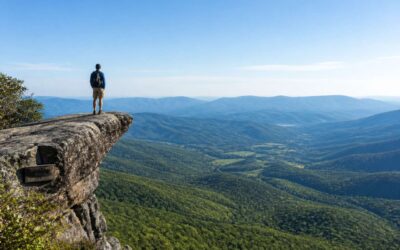
- Rocky outcrops provide vantage points over the surrounding plain
Around 1,700 metres above sea level, the air is sharp and clear. The gustav klingbiel nature reserve is a place where the physical geography dictates the pace of your visit, and it is all the better for it.
History of the Reserve
Those who seek a proper sense of history should know that this reserve was proclaimed in 1967, although its roots stretch back much further. The land once belonged to a string of farms, carved out by settlers who could not tame the sharp slopes. The reserve is named after the man who saw its true value and fought to keep it intact for future generations, a conservationist with a quiet but far-reaching vision.
This corner of Mpumalanga has witnessed dramatic shifts in fortune. The early farmers cleared sections of forest for timber and grazed cattle on the high ground, leaving scars that are still visible. By the time the reserve was declared, much of the indigenous woodland had already been lost, which makes the remaining patches of yellowwood forest all the more precious. The gustav klingbiel nature reserve is a testament to the idea that protection can come late, but never too late.
- The first proclamation protected only 1,000 hectares, with adjoining land added over the following decades
- A small military outpost existed near the river during the Anglo-Boer War, leaving behind stone foundations and old cart tracks
- The Spekboom River has carved its way through the gorge for millions of years, shaping the deep kloofs visitors see today
- Some of the yellowwood trees are estimated to be over 400 years old, having survived fires, storms and human interference
Walking through the reserve today, you are treading ground that has felt the weight of history. The old farm boundary walls still zigzag across the hillsides, and the remnants of a sawmill sit near the eastern entrance, slowly crumbling back into the earth. The histiry of this place is written in the land itself, and those who take the time to read it will leave with a far richer appreciation of why this wild pocket of Mpumalanga matters.
Conservation Status
Covering a mere 2,200 hectares of Mpumalanga’s rugged terrain, the gustav klingbiel nature reserve stands as a quiet counterpoint to the commercial forestry that surrounds it. It sits in the transition zone between the highveld escarpment and the lowveld, a position that gifts it with a peculiar diversity. The reserve is not expansive, but its protection status has shielded a critical habitat mosaic that has otherwise vanished from this agricultural landscape.
The conservation status here is one of careful, deliberate management. As a declared provincial reserve, all extractive activities are strictly prohibited. This legal shield allows for the slow, natural recovery of indigenous species. The management strategy prioritises ecological integrity over visitor convenience. It is a space crafted for observation, not exploitation.
– The reserve protects a matrix of grassland, wetland, and ancient yellowwood forest.
– Complete protection is afforded to the Spekboom River corridor and its riparian zone.
– Strict fire management protocols mimic natural cycles to benefit fire-dependent flora.
What remains is a fragile equilibrium. The boundaries are porous to wildlife, but the legal standing of the gustav klingbiel nature reserve ensures that the core habitat remains inviolate. This is conservation with a firm hand. The result is a living archive, a benchmark for what this region once was. It is a serious commitment to preserving a slice of wildness for its own sake.
Flora and Fauna
Indigenous Plant Species
Botanists have recorded more than 300 indigenous plant species within the Gustav Klingbiel Nature Reserve. The grassy highveld slopes give way to dense riverine bush, where summer’s lush green contrasts with winter’s tawny gold. Endemic grasses anchor the soil, while aloes punctuate the rocky outcrops with their spiked rosettes.
Indigenous trees such as the keurboom and the wild olive provide shelter for a surprising array of fauna. Birders may spot the Knysna turaco flashing crimson through the canopy, while klipspringers and grey rhebok navigate the steep escarpments with practiced ease. For those wanting to identify what they see, these species are common along the main trails:
- Transvaal milkplum (Englerophytum magalismontanum)
- Sugar bush (Protea caffra)
- Common spike-thorn (Gymnosporia buxifolia)
These plants, alongside a rich diversity of geophytes and orchids, make the Gustav Klingbiel Nature Reserve a valuable study site for anyone curious about South Africa’s botanical heritage.
Birdwatching Opportunities
The call of a jackal buzzard often breaks the silence before hikers reach the trailhead. At the gustav klingbiel nature reserve, that sound marks the start of a birding day few reserves can match.
The terrain creates a rare overlap between grassland and riverine species. The Spekboom River draws waterbirds and canopy birds into one stretch of bush, while highveld slopes hold ground-nesting species now scarce across the province. Summer migrants join the mix, and winter clears the views.
A single morning along the main loop can yield a remarkable spread of birds. Target these species:
- Denham’s bustard, striding through open grassland
- African fish eagle, calling from dead trees above the river
- Grey cuckooshrike, moving silently through the riverine canopy
- Cape rock thrush, perched on the boulder-strewn slopes
The eastern ridge offers the best vantage point. Rising thermals bring raptors past at eye level. Patience pays off! For birdwatchers who prefer walking to waiting, the gustav klingbiel nature reserve delivers a full day of discovery.
Mammals and Reptiles
The rocky outcrops and open woodland of the Gustav Klingbiel Nature Reserve create a sanctuary for a distinct array of mammals and reptiles. Visitors often spot klipspringer standing motionless on granite boulders, while bushbuck move silently through the dense riverine thicket. The reserve serves as a vital refuge for species that have vanished from surrounding farmland, making every sighting a testament to the value of protected habitat.
Reptiles thrive in this environment, with the rock monitor lizard frequently seen basking on sun-warmed stones. The reserve’s population of snouted cobras and puff adders reminds hikers to watch their step on the trails. For those who take time to observe the undergrowth, the diversity of geckos and skinks reveals a hidden world of activity. Walking through the Gustav Klingbiel Nature Reserve, one gains an appreciation for the delicate balance between predator and prey that sustains this ecosystem.
Seasonal Highlights
The Gustav Klingbiel Nature Reserve does not care what you plan for your visit. It changes the schedule every season. Summer thunderstorms trigger a frenzy among the frogs, and the air fills with their calls within hours of the first downpour. Butterflies follow the green-up, and I have never seen such confidence in flight! The aloes wait for winter, when their blooms become a vital sugar source for sunbirds. This is a survival strategy, but magnificent to watch.
Winter clears the air nicely. The grass dries to a golden tone, and the sparse vegetation makes the terrain easier to read.
- Summer: mushroom species emerge within days of rain
- Autumn: grasses shift to a warm honey colour
- Winter: aloe flowers draw in sunbirds
- Spring: fresh cycad cones appear with warming temperatures
The Gustav Klingbiel Nature Reserve rearranges its scenery every few months. Return trips always offer something new.
Top Hiking Trails and Activities
Scenic Nature Walks
To walk the trails of the gustav klingbiel nature reserve is to confront your own physical limits. The paths demand humility, forcing you to slow down and study the ground beneath your feet. Some routes climb through rocky terrain, while others meander along gentler gradients. The effort settles into your muscles, and the quiet surrounds you completely.
There is a solitude that urban life erases. I have
Mountain Biking Routes
For an entirely different pulse, the gustav klingbiel nature reserve offers trails that measure the rider as much as the hiker. Boots and tyres share the same red dust, though the demands differ. Hikers push upward through switchbacks cut across quartzite ridges. Mountain bikers carve along single-track paths worn into the hillsides, lines that follow the terrain rather than fight it.
Mountain biking here requires sharp attention. Loose gravel, exposed roots and sudden drop-offs arrive without warning. Cyclists often dismount and walk sections that look deceptively simple from the saddle. Within the gustav klingbiel nature reserve, the landscape rewards those who read it slowly.
A few well-marked loops cover the best ground:
- Ridge Run, a 9 km climb with open views
- Mawlane Descent, 12 km of rolling gradient
- The Old Firebreak, 14 km of fast, flowing track
Each route finishes the same way, with dusty boots, tired legs and a quiet sense of having earned the landscape.
Picnic Spots and Facilities
Some visitors come for the climb, others for the descent, but many find their truest reward in the quiet spaces between. Picnicking within the gustav klingbiel nature reserve is a deliberate act, one that asks for a slower clock. The designated spots sit beneath ancient hardwood canopies, where the air holds the scent of dry grass and sun-warmed stone. Tables are sturdy, the fireplaces are blackened by years of use, and the sounds are of wind and birdsong rather than engines.
The facilities are sparse by design, yet generous where it counts.
– The main picnic grove near the entrance has braai grids, potable water and clean ablution blocks
– Smaller stone shelters along the Red Ridge walk offer shade and stone seating for two or three people
– A single overnight hut, deep in the southern section, provides bunks, a wood stove and a basic kitchen
Water is the one commodity you must carry yourself on the longer trails throw in a filter bottle and you will never be stranded. Day visitors often find the northern lawn, with its view over the Lakenvlei wetlands, to be the most coveted spot on weekends. Arrive early, claim your place, and let the klingbiel quiet do its work.
Photography Hotspots
The finest hiking in the gustav klingbiel nature reserve happens when morning mist still clings to the Lakenvlei valley. Escarpment trails rise through sandstone boulders, and each switchback reveals a new rampart of stone. On the upper ridges, the world opens into a mosaic of grassland and wetland, a scene that demands a camera.
Photography hotspots cluster along the eastern rim, where late afternoon light turns the red cliffs to amber. I have spent hours waiting for that exact shift in colour, and the reserve never disappoints.
– The ridge above the Ouhout thickets, best at dawn
– The seasonal pans on the southern boundary, alive after summer rains
– The old firebreak near the overnight hut, framed by mountain aloes
The routes are demanding but honest, and every climb ends with a view that resets the mind.
Guided Tours
Few experiences match a guided traverse of the gustav klingbiel nature reserve. Rangers lead small groups along the old herder paths, stopping to interpret track marks and rock art. The three hour morning walk focuses on the sandstone gullies, while the longer afternoon option reaches the upper plateau.
For those who prefer self guided routes, the reserve maintains two marked trails.
- Ouhout Loop, 6 km, moderate
- Lakenvlei Ridge, 11 km, strenuous
Each trail demands proper boots and water. The overnight hut serves as a base for multi day explorations.
Practical Visitor Information
Opening Hours and Entry Fees
Perched on the escarpment of the Steenkampsberg, the Gustav Klingbiel Nature Reserve offers a dramatic escape into the Highveld’s ancient soul. This is not a manicured park; it is a raw, rocky wilderness where the air thins and the horizon stretches endlessly. The reserve is a haven for those who find solace in the wind’s whisper across the montane grasslands, a place where the silence is as profound as the views.
For the traveller planning a visit, the logistics are refreshingly straightforward. The reserve is generally open from dawn until dusk, allowing for early morning wildlife sightings or late afternoon photography. Gates close strictly at sunset, so it is wise to check the exact times with the local municipality upon arrival. Regarding entry fees, they are kept remarkably affordable to encourage exploration. The current structure is:
– A nominal daily conservation fee for adults
– A reduced rate for children and pensioners
– Special tariffs for school groups and educational tours
It is advisable to carry cash, as the remote location can occasionally have unreliable card connectivity.
Beyond the entrance, the terrain rewards the active visitor. The Gustav Klingbiel Nature Reserve is dissected by a network of hiking trails that lead to secret ravines and crystal-clear streams. While the reserve is relatively small, covering just over 2,200 hectares, its ruggedness creates an illusion of boundless isolation. The famous Bosman Pass cuts through the northern section, offering a scenic drive that is an adventure in itself, but the real magic is found on foot, where the boulder-strewn slopes test your agility.
A critical piece of practical advice for your visit concerns the weather. The Highveld is notorious for its sudden, dramatic shifts. A sunny morning can rapidly evolve into a freezing, hail-lashed afternoon, particularly during the summer months. Packing layered clothing, a waterproof jacket, and sturdy hiking boots is non-negotiable. Furthermore, remember that this is a Big Five-free zone, which means visitors can hike without the anxiety of encountering dangerous game, yet the reserve is home to blesbok, oribi, and the elusive klipspringer. Always carry drinking water, as the mountain streams, while pristine, should be purified before consumption. The reserve’s remote nature means there are no shops, so provisioning in the nearby town of Lydenburg before your excursion is essential.
How to Get There
The drive itself becomes part of the ritual. Reaching the gustav klingbiel nature reserve requires deliberate navigation, a separation from the hurried world below. From Lydenburg, the route snakes upward along the R540, where the tar eventually gives way to well-maintained gravel. This transition is abrupt and meaningful. The final 20 kilometres demand attention and respect for the vehicle’s clearance, though a standard sedan manages the journey without issue during dry months.
For those approaching from the north, the Ohrigstad turn-off offers an alternative path. This route passes through working farmland before climbing into the mistbelt. Allow at least forty-five minutes from Lydenburg town centre, and check fuel levels beforehand. No services exist within the reserve boundaries.
– A reliable spare tyre and jack are essential
– Low-range gearing helps on the steepest sections
– A paper map is wise, as cellular signals fade unpredictably
Parking is available at the main gate, and the isolation becomes immediate. The gustav klingbiel nature reserve does not announce itself with grand signage. You simply arrive, and the mountain asserts its quiet authority. In my experience, first-time visitors often pause at the gate, momentarily overwhelmed by the scale of the escarpment above them. That pause is the correct response. The reserve asks for patience, and it rewards those who grant it with a profound sense of having left the ordinary behind.
Weather and Best Time to Visit
Winter mornings at the gustav klingbiel nature reserve bring frost to the grasslands, while afternoons stay mild and clear. This is the most reliable season for long walks. Summer delivers afternoon thunderstorms and a landscape that turns deep green. The altitude tempers the heat, but visitors should still prepare for sudden shifts.
The weather dictates what you experience. I have stood on the escarpment in January when the valley disappeared into cloud within minutes. Other days, the sky stayed perfectly blue until dusk.
- Pack layers even in summer.
- Bring rain protection for the afternoon storms.
Autumn offers a quiet middle ground. Crowds thin, mist appears less often, and the light becomes gentler. For many repeat visitors, April and May are the preferred window.
Rules and Safety Tips
Visitors to the gustav klingbiel nature reserve must stay on marked paths. The terrain hides sudden drop offs and loose rock, especially after rain. Any deviation can disturb protected plant life and put you at risk.
Carry enough water for the entire walk. The gustav klingbiel nature reserve has no water points along the trails. I have seen visitors turn back early because they underestimated the distance. Cell phone reception is unreliable, so inform someone of your route before entering.
- Keep a safe distance from all wildlife, including baboons and snakes.
- Do not feed animals, as it changes their natural behavior.
- Pack out all rubbish. The reserve operates a strict carry in, carry out policy.
Fire is strictly prohibited. The grassland dries out quickly, and a single spark can ignite a fast moving fire. Stay alert during summer storms, as lightning poses a real danger on exposed ridges.
Accessibility and Amenities
Nestled in the Drakensberg foothills, the Gustav Klingbiel Nature Reserve is often overshadowed by its more famous neighbors. Yet, for those willing to drive the winding road to Lydenburg, this sanctuary offers a solitude that is increasingly rare. It is a place where the air smells of pine and wild mint, and where the only soundtrack is the rustle of leaves or the distant cry of a bird. But beyond the scenery, there is a practical side to visiting that can make or break your day, particularly regarding how you move around and what you bring.
Accessibility here is a study in contrasts. The main roads within the reserve are well-maintained gravel and easily navigable with a standard sedan. However, the true gems, such as the waterfall viewpoints and the higher elevation trails, demand a vehicle with high clearance. I have seen drivers attempt the steeper inclines in low-slung city cars, only to find themselves reversing down a narrow track with a very real sense of regret. If you are planning to explore beyond the picnic areas, an SUV or a bakkie is not a luxury; it is a necessity.
The amenities are thoughtfully placed but basic, which is part of the reserve’s charm. You will find clean restroom facilities at the main entrance and the primary picnic site near the Sterkspruit River. There are no shops inside the gates, so petrol, ice, and food must be purchased in Lydenburg before you arrive. This is a day-out destination, not a resort. The picnic spots themselves are simple: stone braai stands, wooden tables, and a canopy of trees.
When it comes to moving around, there is a clear hierarchy of ease. For those with limited mobility or young children, the forest trail that follows the river is a gentle, shaded path. It is relatively flat and offers frequent benches to rest. However, the more rewarding hikes, like the one leading to the suspension bridge, are a different matter entirely. They involve uneven terrain, exposed roots, and significant elevation changes. Sturdy hiking boots are non-negotiable, as sneakers will leave you with sore ankles and a slippery footing on the loose stones.
A key part of visiting the Gustav Klingbiel Nature Reserve is understanding the layout on the ground. The signage is adequate but not abundant, and cell service vanishes the deeper you go. It is wise to grab a physical map at the gate.
1. The River Trail: A 2-kilometer loop that is perfect for a relaxed stroll. It connects the main picnic area to the smaller day shelters.
2. The Fringed Lily Trail: A 4-kilometer moderate hike that climbs through the grassland. It offers panoramic views but has no shade, making it a morning or late afternoon activity.
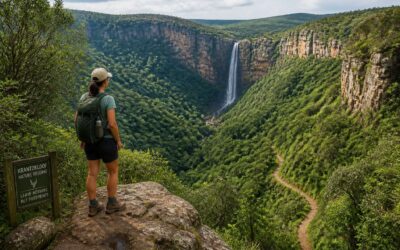
3. The Bridal Veil Falls Path: A 6-kilometer route that rewards you with a view of the waterfall, but requires crossing several rocky streams.
Amenities aside, there is a fundamental aspect of the reserve that every visitor must respect: the wilderness is wild. You are a guest in a protected space, and the infrastructure exists to keep you safe without taming the environment. The benches are weathered, the paint on the railings is chipped, and the paths are natural earth. This is not a neglectful oversight; it is a deliberate design that preserves the raw quality of the landscape.
Ultimately, a visit here is a trade-off. You sacrifice the convenience of tarred roads and mountain resort luxuries for a genuine encounter with the Highveld bushveld. The practical reality is that you must be self-sufficient. Bring your own water, your own food, and your own sense of adventure. If you do, the Gustav Klingbiel Nature Reserve will not just offer you a day trip; it will offer you a pause from the noise of the world, provided you are willing to meet it on its own terms.
Nearby Attractions
An hour’s drive from the Gustav Klingbiel Nature Reserve lies the historic Long Tom Pass, a mountain road that climbs past artillery emplacements from the Anglo-Boer War. The views over the Lowveld are magnificent, though the incline tests a vehicle’s brakes. For a gentler afternoon, the town of Mashishing, still called Lydenburg by most locals, holds the Lydenburg Museum. Its display of the seven terracotta heads, dated to AD 600, makes for a quiet, reflective visit.
Sudwala Caves sit roughly 45 minutes away along the Schoemanskloof. Guided tours run hourly and the temperature inside stays at a cool 17 degrees. If you have time for only one excursion beyond the reserve, choose the caves; they offer a sharp contrast to the open grassland.
Nearby options in brief:
- Blyde River Canyon, 40 minutes north, for the Three Rondavels viewpoint
- Sterkspruit Falls, 15 minutes from the gate, a short walk from the gravel road
- Bourke’s Luck Potholes, an hour away, for the swirling rock formations
Each excursion pairs well with a morning in the Gustav Klingbiel Nature Reserve, though the canyon crowds are best avoided on public holidays.
Planning Your Trip and Local Tips
Recommended Gear and Clothing
Planning a visit to the gustav klingbiel nature reserve requires more thought than grabbing a water bottle. The reserve’s unpredictable weather demands layered clothing and sturdy footwear. I always recommend breaking in boots before arrival. Pack lightweight, moisture wicking shirts and a waterproof jacket. For gear, keep it minimal but functional:
- Binoculars for closer wildlife views
- Reusable water container with at least two litre capacity
- Sun protection, including a wide brimmed hat
- Trail map downloaded offline
Avoid cotton denim. The trails turn slippery after rain. Also carry a small first aid kit for blisters. Local tip: start your hikes early to catch cool morning temperatures. The gustav klingbiel nature reserve rewards prepared visitors.
Local Accommodation Options
The Gustav Klingbiel Nature Reserve has a way of making even the most meticulous planners pause. The reserve’s remote corners, while stunning, demand respect for their isolation. I suggest booking a guided drive if you are unfamiliar with the terrain, as local trackers often spot species you would miss on your own. Before you leave your accommodation, confirm your route with the reserve office, as seasonal closures shift without much warning.
For a smooth visit, consider these planning steps:
1. Reserve your entry time slot on weekends to avoid congestion at the gate.
2. Fill your fuel tank in Lydenburg, as the reserve has no petrol station.
3. Pack a physical map as a backup, since cell reception vanishes past the picnic sites.
4. Notify a friend of your expected return time when hiking deeper trails.
Accommodation near the gustav klingbiel nature reserve ranges from modest self-catering chalets to working farm stays. The reserve itself offers a handful of basic overnight units, which place you within walking distance of the morning bird calls. For more comfort, the town of Lydenburg provides guesthouses with secure parking and hot meals after a long day. Staying on a nearby farm gives you direct access to quieter reserve entrances, though you will need a vehicle for every outing. Book ahead during school holidays, as the limited beds fill quickly with regular visitors. The choice ultimately depends on whether you prefer convenience or immersion in the surrounding landscape. Either way, your base camp matters less than the hours you spend on the trails.
Sustainable Tourism Practices
Two thirds of visitors miss the morning chorus by arriving late. That hour after dawn shapes the entire gustav klingbiel nature reserve experience. Planning properly means accounting for gravel road pace and the noon thunderstorm. Local guides suggest breaking the day into deliberate segments.
Sustainable tourism practices in gustav klingbiel nature reserve work best when integrated into that daily cycle. Carry a refillable bottle, adhere to marked loops, and leave every stone you lift in place. The grasslands recover only when visitors minimize their footprint. I improved my route by stopping at a knobwood tree and watching quietly for an afternoon. That taught me more than any map. To plan well is to respect the land’s timetable.
- Sign the visitor log at each trailhead
- Keep twenty metres from grazing antelope
- Pack out all wrappers, including peels
The reserve rewards patient pacing.

0 Comments