Trail Overview
Understanding the Tsitsikamma Trail Network
Most visitors assume Tsitsikamma National Park is a single trail. In truth, it is a collection of distinct routes that share gateways and parking areas, which creates a peculiar social choreography at dawn. You will see serious hikers lacing boots beside families carrying cooler boxes. Both are valid, but they require different expectations.
The Waterfall Trail remains the most popular for good reason. The Otter Trail demands multi-day commitment and permits. Between these extremes lies a network that rewards those who study the map before arriving.
- Check the tide times before attempting coastal sections.
- Confirm which trails are open at the park office.
- Bring cash for parking fees, as card machines often fail.
These small courtesies prevent awkward encounters with rangers. For anyone planning tsitsikamma national park hikes, the network offers variety, but it also insists on preparation.
Difficulty Levels and Distances
Somewhere along the Tsitsikamma coastline, the paths taper from gentle strolls to steep, unforgiving ascents. The distinction between easy and difficult here depends on elevation gain, loose scree, and the state of the tides. A map cannot prepare you for how quickly the body complains.
- Waterfall Trail: 5.6 kilometres return, moderate gradient with carved stone steps.
- Blue Duiker Trail: 2.5 kilometres, easy, sandy and well shaded.
- Otter Trail: 42 kilometres over five days, severe exposure and unbridged river crossings.
These distances hide the true cost of the terrain. A short trail can feel endless after rain turns roots into slick cords. For those undertaking tsitsikamma national park hikes, trail markers offer limited comfort when the path vanishes under leaf litter. The forest floor shifts every season, and each journey measures something different.
Permits and Entry Fees
Tsitsikamma national park hikes begin with a transaction, not a trailhead. SANParks charges a daily conservation fee at the Storms River gate, collected before you park. The tariff depends on residency:
- South African citizens pay the lowest rate.
- SADC nationals fall in the middle bracket.
- International visitors pay the full fee.
Otter Trail bookings include a separate permit covering five days of hut use, but the conservation fee still applies on top. Wild Card holders skip the daily gate fee. The permit desk at the entrance operates from 07:00 to 19:00 in summer, shorter in winter. Bring proof of identity and your booking reference. The ranger checks both before handing over the permit.
Best Time to Hike
The Storms River mouth is where most routes begin. For tsitsikamma national park hikes, the weather is not a backdrop; it shapes every step. The Waterfall Trail starts here, hugging the coastline for six kilometres before reaching a waterfall that spills into a natural pool. Inland, the Salt River Mouth walk follows the river through a narrow gorge where ferns cling to damp cliffs.
Best time to hike depends on what you want from the day. Summer months from November to March bring warm afternoons, long daylight, and crowded parking lots. Winter, from May to August, offers quieter trails and dramatic skies, but rain can turn sections of the Otter Trail into mud and make river crossings riskier. Autumn settles the balance with mild temperatures and clearer views. I have walked these paths in both seasons, and the autumn light lingers longer over the forest canopy each year.
Top Hikes in Tsitsikamma
The Otter Trail: A Coastal Classic
To walk the Otter Trail is to traverse one of the most celebrated coastlines on earth. This five day traverse from Storms River Mouth to Nature’s Valley hugs cliffs that plunge into the Indian Ocean, where every bend reveals a new cove or waterfall. The path itself is raw, demanding attention with slippery rock faces and river crossings that must be timed against the tides.
Among tsitsikamma national park hikes, the Otter Trail commands a singular place. Its rhythm is distinct. You do not simply walk; you live with the ocean’s pulse. Nights are spent in rustic huts perched above the surf, and mornings begin with the cry of gulls. The memory of salt air and the distant boom of waves stays with you long after your boots have dried.
A few essentials make the journey smoother:
– Lightweight boots with aggressive grip.
– A dry bag for the river crossings.
– Energy-dense snacks for the long ascents.
The Tsitsikamma Falls Trail: Waterfalls and Forest
The Tsitsikamma Falls Trail does not ask for five days. It asks for your full attention within a single afternoon. Water plunges through ancient forest, and each fall lands with a distinct roar. I found myself measuring time not in hours but in the weight of mist on my skin.
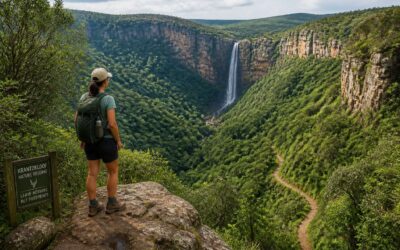
The boardwalk narrows, then disappears into roots and ferns. You pass two major waterfalls that drown conversation, a suspension bridge that sways under deliberate steps, and the occasional orange flash of a forest bird. For those seeking tsitsikamma national park hikes without the overnight commitment, this trail offers wildness in a compact walk. It shows how close the tame and the untamed can sit.
The Dolphin Trail: Guided Luxury Hiking
The Dolphin Trail offers a different version of Tsitsikamma National Park hikes. You walk unburdened. Guides carry the logistics, and your luggage moves ahead by vehicle. Each night ends in a different lodge, with meals prepared and beds made.
The path follows the coastline, where bottlenose dolphins appear in the surf. The trail covers roughly 16 kilometres per day, and the terrain asks for reasonable fitness but no technical skill. This ranks among the tsitsikamma national park hikes that prioritise comfort without reducing the landscape’s intensity.
What gets included:
- All meals and accommodation
- Luggage transfers between lodges
- Qualified guides and safety support
Luxury here means practical comfort. You bring only a daypack, and the wildness stays intact. The Otter Trail rewards endurance; the Dolphin Trail rewards attention, since you walk light and look closely.
Practical Planning Tips
Packing Essentials for the Trails
Coastal weather changes in minutes when you plan tsitsikamma national park hikes. Morning checks are routine, but I have seen rain turn a path into a river before lunch. Pack for safety, not appearances.
- Waterproof bags for electronics and spare socks
- Adjustable trekking poles for steep descents
- Electrolyte tablets to pair with filtered stream water
- A lightweight shell that breathes when wet
Each item has a purpose. The shell blocks wind at midday. The poles reduce knee strain on river crossings. Quick-dry clothing beats heavy cotton in humidity. Eat nuts, dried fruit, and protein bars for energy. What you carry affects stamina, and stamina affects what you notice.
Accommodation Options: From Huts to B&Bs
Where you sleep sets the tone for tsitsikamma national park hikes more than any other decision. The Storms River Mouth Rest Camp offers chalets over the water, yet those book out months ahead. Forest huts at Bloukrans provide minimal comforts, and you fall asleep to the sound of the river below. The AfriCamps tents sit further along the river, pairing canvas walls with real beds and a wood-fired hot tub outside.
For tsitsikamma national park hikes that end near civilisation, guesthouses in Storms River Village offer proper mattresses and warm hosts. The village lies minutes from the gates, so morning starts feel effortless.
Check what your booking includes before you arrive:
- Linen and towels at rest camp units
- Braai facilities at each forest hut
- Access to shared ablutions in the huts
Each option changes your day’s rhythm, so choose based on how much solitude you need after sunset.
Booking in Advance vs. Walk-in Availability
Booking windows for the Tsitsikamma National Park hikes are a lesson in patience and foresight. The Otter Trail permits, for instance, vanish within hours of the release date, often eleven months prior. Walk-in availability for that specific route is essentially a myth.
A more flexible approach works for the other trails. The Tsitsikamma Falls Trail and the shorter forest loops rarely require a week’s notice. You can secure a permit at the park gate on the morning of your hike, provided the weather is stable. The rest camp’s reception desk handles these bookings, and the staff will advise on trail conditions. However, during school holidays, even these day permits can sell out by 9am.
I once drove in without a reservation and relied on a cancellation for a forest hut. It worked, but it was a gamble. The core advice is simple. Decide which route matters to you, then commit to the booking calendar. The spontaneous approach suits the day trails. The serious multi-day routes demand a date circled on your calendar. Both methods get you onto the Tsitsikamma National Park hikes, but only one guarantees the specific path you want.
Wildlife and Scenery Highlights
Coastal Cliffs and Ocean Views
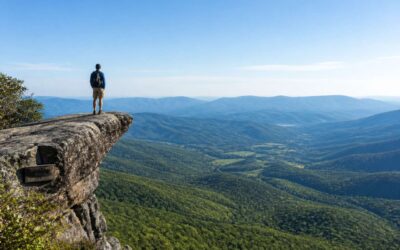
The Indian Ocean throws itself against the Tsitsikamma cliffs with a ferocity that humbles. From the trail edges, you watch southern right whales breach between May and November. I’ve also seen Cape fur seals dart through the surf while dassies sun themselves on ancient quartzite.
Keep an eye out for these coastal residents:
– Bryde’s whales and orcas patrolling deeper water
– African black oystercatchers picking along the tide pools
– Vervet monkeys raiding the forest fringe
The real reward is the contrast. Dense fynbos clings to the sandstone slopes while the blue horizon dissolves into mist. Tsitsikamma national park hikes deliver these moments with every steep ascent, leaving you with salt spray and the deep rhythm of moving water. What a sight that is!
Indigenous Forests and Fynbos
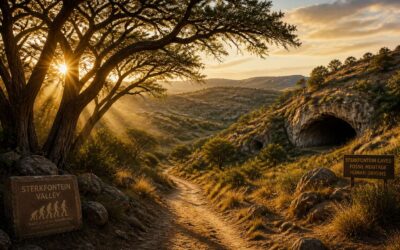
Step one metre past the trailhead and the sea disappears. The indigenous forest closes in. These trees have stood here since the last ice age, their roots anchored in the same ancient sandstone. The canopy above filters the light to a green dimness. A Knysna turaco screams from the treetops, red wings flashing through the gloom. Mulch muffles every footstep.
The transition to fynbos is abrupt. On the drier slopes, ericas and proteas push through the earth with a stubbornness that defines this vegetation. Sixty percent of the plants you see here occur nowhere else on earth. The tsitsikamma national park hikes stitch these two worlds together, each hour bringing you from the shade of yellowwoods to the sun-baked fynbos ridges.
Waterfalls and River Crossings
The wildlife does not perform for visitors. Blue duikers ghost through the undergrowth, rarely larger than a terrier. Verreaux’s eagles circle above the gorge thermals. The Knysna turaco’s descending rattle screech cuts through the forest noise. On tsitsikamma national park hikes, the scenery alternates between river canyons and plunge pools fed by mountain runoff. The Storms River mouth has its suspension bridge, but the true crossings come deeper inland. Hikers ford streams where the water hits mid-thigh, the current pressing steady against the legs.
Waterfalls appear with little warning:
- Groot River demands tide awareness, as the crossing depth changes hourly.
- Unnamed cascades spill directly into dark, tannin-stained pools.
The acoustics differ at every fall, from deep bass thuds to high hissing spray. The river crossings on tsitsikamma national park hikes require patience, yet they offer the clearest freshwater swims in the region.
Safety and Preparation
Weather Conditions and What to Expect
The Cape’s weather is a notoriously fickle beast, and this is never more apparent than when you are committed to a multi-day trek. A clear, golden morning can transform into a howling southeasterly gale by midday, especially along the exposed coastal sections of tsitsikamma national park hikes. The Indian Ocean here is not a placid swimming pool; it churns with a powerful, unpredictable energy that dictates the mood of the entire trail. Preparation for this volatility is your primary responsibility, as the forest canopy offers shade but also traps humidity, creating a muggy microclimate that can be just as draining as direct sun.
Before you set off, scrutinise the long-range forecast, but more importantly, pack for a four-season day. The temperature can swing by more than ten degrees between the forest floor and the open cliff edges. Furthermore, river crossings, which are frequent on the Otter, become perilous after heavy rains. The flow can rise rapidly, turning a knee-deep wade into a chest-high struggle. This reality demands that you check water levels with a ranger, not just a weather app.
Here is what a typical day dictates:
1. A chilly start in the forest shade, requiring a thermal layer.
2. A scorching midday sun on open fynbos-covered slopes.
3. A sudden, gusty wind chill near any headland.
4. A rapid drop in temperature as the afternoon fog rolls in.
What you experience will hinge entirely on your timing. The winter months, while milder, bring persistent rain and swollen rivers. Conversely, the summer heat intensifies the humidity under the canopy, demanding a rigorous hydration strategy. Ultimately, your mental resilience is as important as your waterproof jacket. The terrain is unrelenting, so accept that you will be sweaty, sandy, and possibly caught in a downpour. This is the raw soul of tsitsikamma national park hikes.
Physical Fitness and Training
A 10 kilometer stretch of the Otter can demand eight hours of relentless effort. That reality separates casual walkers from prepared hikers. Physical fitness is not a suggestion for tsitsikamma national park hikes; it is a prerequisite for enjoyment and safety.
You will spend hours on uneven rock, wet timber, and steep ascents. Your ankles and knees take the brunt. Train with weighted packs on stair climbs and uneven trails. Build core stability for balance on narrow ledges. Cardiovascular endurance keeps your mind sharp when fatigue sets in.
- Practise short, fast hikes to mimic rest stops.
- Strengthen calf and quadriceps muscles for repetitive elevation.
- Test your gear on day trips before committing to multi-day routes.
Safety also means knowing your limits. The trail does not forgive overconfidence. A slower pace with a lighter pack beats a sprint that ends in injury.
Navigating the Trails: Maps and Signage
The forest closes in around you here, the air thick with the smell of damp earth and salt. A map in your hand feels reassuring, but the real guide is the faded yellow paint on the rocks, the occasional wooden marker swallowed by ferns. For tsitsikamma national park hikes, trusting the signage is part of the experience, but understanding its limits is the difference between a great story and a survival situation.
The trails are well marked, yet the environment is relentless. Rain turns the paths into slick ribbons of mud, and the constant mist can reduce visibility to a few meters. I have stood at a junction, map held out, and still felt a moment of doubt because the next marker was hidden behind a curtain of dripping leaves. The signs are reliable, but they are not infallible. Fallen trees can obscure a turning, and storm debris can make a familiar route look foreign.
Reading the terrain is a skill the signage cannot teach you. The contour lines on your map become more important than the painted arrows. You learn to look for the worn grooves in the sandstone where thousands of boots have passed, to listen for the sound of the river to your left, to gauge your position by the crash of the surf far below. The park provides the tools, but you must bring the awareness.
Before you set out, study the specific trail notes for the day. Some paths, like the grueling Otter Trail section, require a good understanding of tidal charts because certain crossings are only safe at low tide. The signage will warn you, but it will not wait for you.
– Check the weather forecast twice, and plan for the worst.
– Fill your water bottles at the rest points, as the mineral-rich streams are your only reliable source.
– Carry a physical waterproof map, as your phone battery will not last in the damp.
The signage in the park is a network of quiet assistants. It points you up steep ladders, warns you of slippery sections, and confirms you are on the right path. But the ultimate responsibility for your safety rests on your own shoulders. Treating the markers as helpful hints rather than absolute guides has kept me humble and safe on many a tsitsikamma national park hikes adventure. The path is there, but it is you who must walk it, carefully and with respect.
Leave No Trace Principles
The final item on that list deserves its own moment. A fully charged power bank is worth its weight in gold when the GPS on your phone becomes your most trusted trail companion. The coastal path has a way of devouring battery life with every photo of the churning ocean and every check of the map.
Now, about the golden rule of these wild spaces: leave no trace. The Tsitsikonna rainforest is a living cathedral. The fynbos you see blooming in a burst of colour has taken decades to establish itself in this harsh, beautiful environment. Pack out every single piece of rubbish, even the biodegradable apple core. It takes months to break down here. Stay on the marked paths, no matter how tempting a shortcut looks. Each footprint on the fragile dune vegetation contributes to erosion that takes years to heal. And give the wildlife their space, from the tiny, curious dassies to the shy bushbuck. Watching them from a respectful distance is part of the magic. Respecting these principles ensures that the next hiker gets the same untamed experience. After a good rain, the forest comes alive, and you might just spot a rainbow’s arc stretching across the gorge. That is a moment you will be, quite frankly, stoked about.

0 Comments